Slides & Recovery
Check price
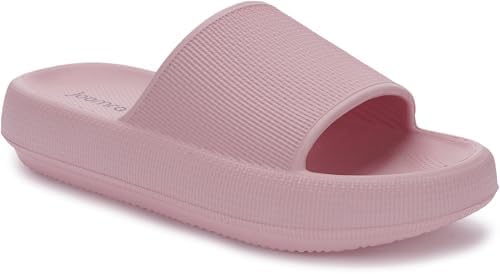
Pillow Slippers for Women Thick Sole Shower Slides
PinkThick EVA slides — the pair you change into after training.
$23.99
(44,503)

Room for your toes since day one
Wide toe boxes, thin honest soles and uppers that breathe. Joomra makes barefoot trainers, trail runners, everyday sneakers and the slides you change into afterwards.
87 colourways across 5 collections · 40 of them under $25 · prices and sizes read from the live listing

Four ways to start
Each of these was picked by a rule, and the rule is printed underneath it. Nothing here is a paid slot.
44,503 public ratings — more than any other pair in the catalogue.
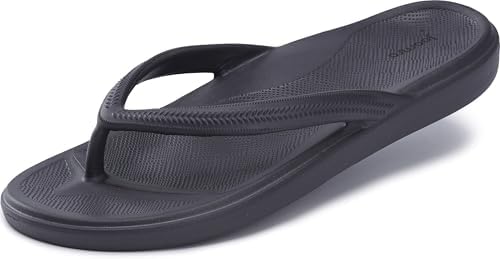
The lowest price on the site. A wide toe box costs less than a takeaway to try.
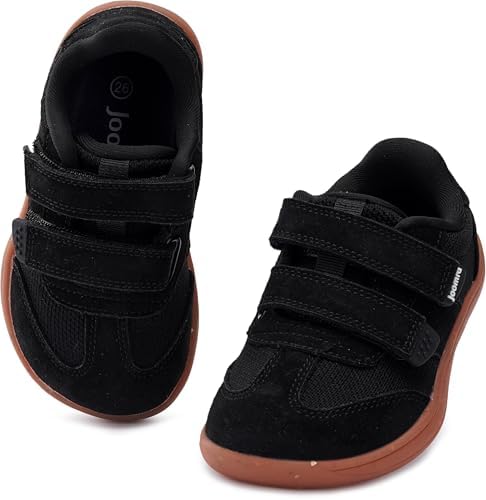
4.6 out of 5 across 63 ratings — the highest average here.
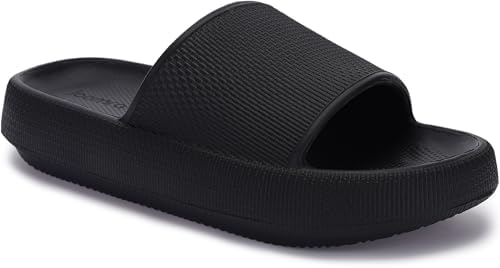
3 size options listed, so an awkward foot has somewhere to go.
Collections
From the first mile on a trail to the last hour on the sofa, the range is split by what the sole has to do.
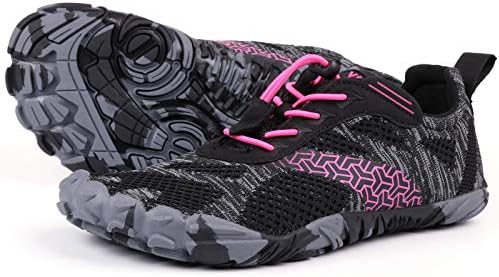
Zero-drop, wide-toe-box shoes with thin flexible soles
14 colourways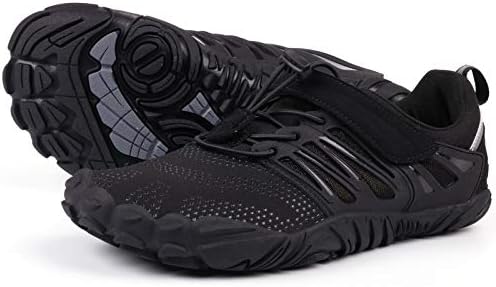
Barefoot trail runners with grippy lugged outsoles and quick-dry uppers, built for loose dirt, wet rock and long days on uneven ground.
17 colourways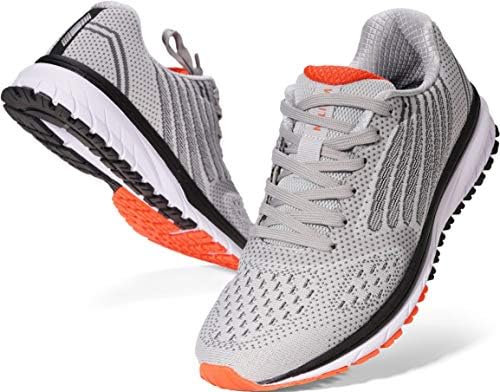
Cushioned everyday trainers for walking, gym floors and courts
24 colourwaysPillow slides, cloud slippers and thick-sole recovery sandals for the hours after training, around the house and on the way to the pool.
21 colourways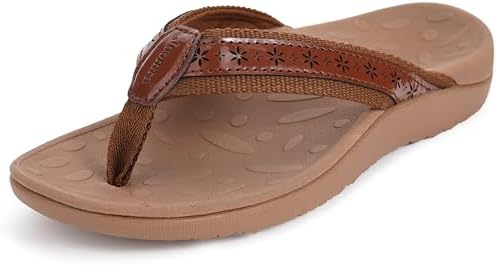
Cork-footbed sandals and arch-support flip flops with contoured beds that hold their shape through a summer of daily wear.
11 colourwaysStart from the problem
Five collections, five different jobs for a sole. Pick the line that sounds like yours.
Most reviewed
Ranked by how many public ratings each pair has collected — not by what we would like to sell.
Thick EVA slides — the pair you change into after training.
Lugged rubber outsole, zero drop, room for the toes to spread on a descent.
Top rated
Workout sneakers with a structured knit upper and a cushioned platform.
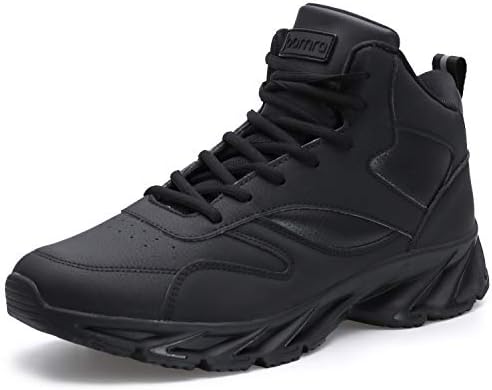
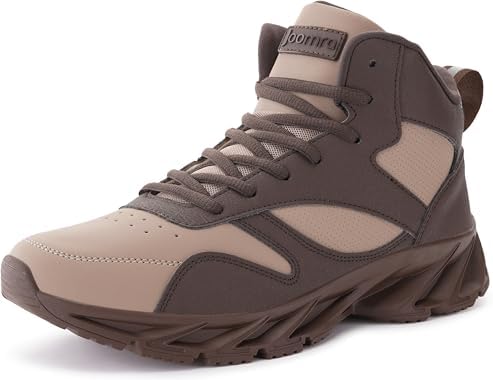
High-top sneakers in synthetic leather, cut for court and street.
Under $20
Thong sandals built around arch support rather than a flat slab.
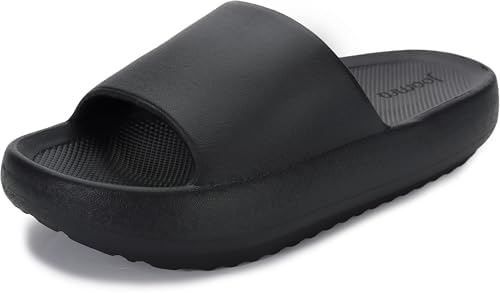 Under $20
Thick EVA slides — the pair you change into after training.
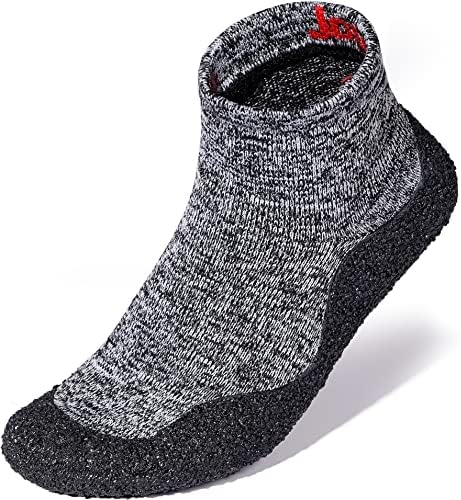 Low stock
Sock-fit minimal shoes for water, the gym floor and travel.
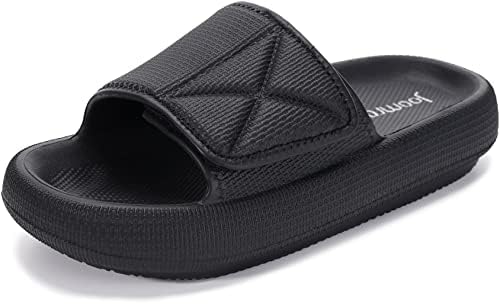 Under $20
Cushioned slides with an adjustable strap over the top.
Under $25
The cheapest end of the catalogue, sorted by how many people have rated it. A wide toe box is not an expensive thing to try once.
Thick EVA slides — the pair you change into after training.
 Low stock
High-top sneakers in synthetic leather, cut for court and street.
Under $20
Thong sandals built around arch support rather than a flat slab.
Under $20
Thick EVA slides — the pair you change into after training.
Lugged rubber outsole, zero drop, room for the toes to spread on a descent.
+
The run flattens the arch and swells the foot; the hour afterwards decides how tomorrow feels. Thick soft foam and nothing gripping the instep is the point of a recovery slide.
Both pairs together come to about $60.62 at today’s listed prices — they are sold separately, and each button opens its own listing.
Thick EVA slides — the pair you change into after training.
Toes splay when you push off. Joomra lasts are cut to allow it, which is why the shoes look broader at the front than most trainers on the shelf.
The barefoot and trail lines sit flat from heel to toe. The cushioned sneakers do not — different jobs, different soles, and the product pages say which is which.
Three quarters of the range sits under $40. These are shoes to put miles on, not to keep for good.
Joomra started from a simple observation: most people wear shoes narrower than their own feet. Our job is to undo that quietly — with footwear that looks normal, costs normal money, and gives the foot back the room and the ground feel it was built around.
A human foot is widest across the toes. Almost every mass-market shoe is widest a centimetre or two behind them, which is why so many people spend their lives with their big toe pushed inwards and blame their feet rather than the last. Joomra builds from the other end: a broad forefoot, a flexible sole, and only as much cushioning as the job actually needs.
The range covers the whole day. Zero-drop barefoot trainers and sock shoes for ground feel, lugged trail runners for loose dirt and wet rock, cushioned knit sneakers for pavement and gym floors, thick-soled pillow slides for recovery hours, and cork-footbed sandals for summer.
Three things make a shoe genuinely minimalist: the heel and the forefoot sit at the same height, the sole bends and twists in the hand, and the toe box is wide enough that the toes never touch the sides. Joomra barefoot styles do all three. The cushioned sneakers deliberately do not — they are built for people who stand on concrete all day and want padding under the heel. Both are honest shoes; they simply answer different questions.
| Collection | Best For | Sole Character |
|---|---|---|
| Barefoot Shoes | Walking, gym, water, everyday wear | Zero drop, thin and flexible, wide toe box |
| Trail Runners | Dirt, gravel, wet rock, hiking | Zero drop with deep lugs for grip |
| Athletic Sneakers | Pavement, gym floors, long shifts | Cushioned midsole, knit upper, some heel rise |
| Slides & Recovery | After training, indoors, poolside | Thick soft EVA, no structure by design |
| Sandals & Flip Flops | Summer, holidays, casual wear | Contoured cork or moulded arch bed |
Feet that have spent twenty years inside a raised heel need a few weeks to adapt. The calves and the arch do work that the shoe used to do for them, and doing all of it on day one is how people end up sore and convinced barefoot shoes are a fad. A sane transition looks like this:
Barefoot shoes measure differently from padded ones because there is no compressible foam to swallow an extra few millimetres. Measure the foot in centimetres in the evening, when it is at its largest, and add a thumb-width of room in front of the longest toe — which is not always the big one. Wide feet, high insteps and toes that splay noticeably will usually want the next size up. Full details are on the sizing and fit page.
Joomra sits deliberately at the affordable end of the barefoot market, where the alternative is often three times the money for a similar sole. That trade-off is real and worth naming: the materials are synthetic rather than leather, and a pair worn hard on trails is a season or two of shoe, not a decade. For most people trying a wide toe box for the first time, that is exactly the right price to find out whether it suits them.
Reading the numbers
We do not print testimonials with names attached. Below are the public rating totals these three pairs carry, and our own reading of what a number like that can and cannot measure.
Slides are judged on two things almost exclusively: whether the foam packs down within a month and whether the strap holds. A large sample answers both reasonably well. It says nothing about grip on a wet tiled floor, which is where slides actually go wrong.
On a trail shoe a large sample mostly measures two things: how long the lugs stay sharp and whether the upper survives repeated soaking and drying. Neither number tells you how the shoe behaves on the particular surface you run on, which can differ from wet granite to loose scree.
A five-figure rating count on an everyday trainer is largely a verdict on the upper and the glue line, since that is what fails first when a shoe is worn daily. What the average cannot tell you is whether the toe box suits your foot — the people it did not suit sent the pair back and left no number behind.
Before you click through
Answered here rather than three pages deep, because they are the reason a pair sits in a tab for a week.
Measure the longer foot in the evening, add 10–12 mm and compare with the insole length on the product page. Between two sizes, take the larger one in the barefoot and trail lines and the smaller one in the athletic sneakers.
You send it back to the shop that took the payment, not to us — typically inside about thirty days, provided the shoes have only been worn indoors. The exact window is printed on the listing you bought from; a size swap is the easiest kind of return there is.
The calves will complain for the first couple of weeks, and that is normal. Walk in them before you run in them, add time rather than intensity, and keep the old shoes for long days until the new ones feel unremarkable.
The toe box is the widest part of the shoe, which is unusual and is the whole idea. Feet squeezed into tapered lasts for years usually measure broader than their owner expects — trust the tape, not the size in your old trainers.
Less than a slab of foam — that is the trade-off for ground feel. Watch the outsole rather than the upper: when the lugs or the tread have gone smooth, the shoe has done its job.
The buttons open the manufacturer listing on the retailer that stocks the model, where the price, the size run and the delivery date are the live ones. We keep the catalogue, the measurements and the plain answers.